EPR Registration for Plastic Packaging and Sustainable Waste Solutions
Packaging constitutes a substantial portion of municipal solid waste and contributes to littering and environmental degradation. Ewour takes a proactive approach to tackle EPR Registration for Plastic Packaging initiatives aimed at reducing, reusing, and recycling packaging materials. By collaborating with packaging producers and retailers, Ewour promotes the adoption of sustainable packaging practices, such as using recyclable or biodegradable materials and minimizing excessive packaging. Furthermore, Ewour advocates for innovative packaging solutions, such as refillable and reusable packaging models, to minimize waste generation and promote a circular economy ethos.
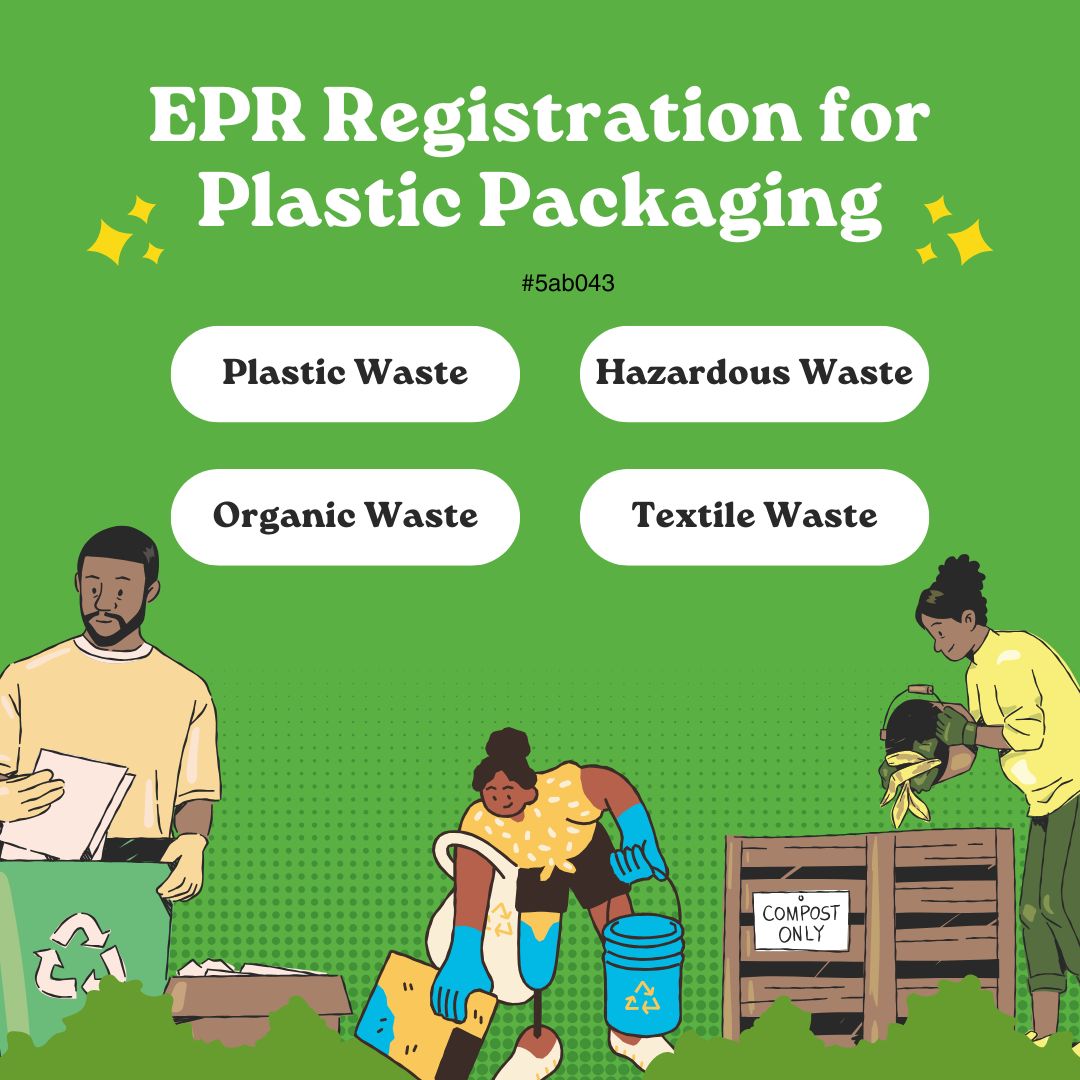
Plastic Waste
Plastic pollution has become a global crisis, with detrimental effects on marine ecosystems, wildlife, and human health. Ewour recognizes the urgency of addressing plastic waste and implements EPR measures to mitigate its impact. Through partnerships with plastic manufacturers, recyclers, and retailers, Ewour facilitates the collection, recycling, and proper disposal of plastic products. Emphasizing the importance of plastic waste reduction at the source, Ewour advocates for the use of alternative materials, product redesign, and incentivized return schemes to promote responsible consumption and minimize plastic waste generation.
Hazardous Waste
Hazardous waste poses unique challenges due to its potential threats to human health and the environment. Ewour places a strong emphasis on EPR initiatives to manage hazardous waste streams effectively. By collaborating with industries, regulatory agencies, and waste management facilities, Ewour ensures the safe handling, treatment, and disposal of hazardous materials. Additionally, Ewour promotes pollution prevention measures and encourages the adoption of cleaner production techniques to minimize the generation of hazardous waste and promote sustainable industrial practices.
Organic Waste
Organic waste, including food scraps and yard trimmings, represents a significant portion of municipal solid waste and contributes to greenhouse gas emissions when sent to landfills. Ewour champions EPR strategies to promote the diversion of organic waste from landfills through composting and anaerobic digestion. By partnering with municipalities, businesses, and composting facilities, Ewour facilitates the establishment of organic waste collection programs and promotes public awareness campaigns to encourage composting at home and in communities. Moreover, Ewour advocates for the utilization of composted organic matter to enrich soil health and support sustainable agriculture practices.
Textile Waste
The fashion industry generates a staggering amount of textile waste, fueled by fast fashion and consumer trends. Ewour tackles textile waste through EPR initiatives aimed at promoting circularity in the fashion supply chain. By collaborating with clothing brands, retailers, and textile recyclers, Ewour facilitates the collection, sorting, and recycling of textile products. Furthermore, Ewour advocates for sustainable fashion practices, such as clothing repair and upcycling, to extend the lifespan of garments and minimize textile waste generation.
In conclusion, Ewour exemplifies the integration of EPR compliance for E-waste across various waste types, demonstrating a holistic approach to waste management that prioritizes environmental sustainability and resource efficiency. By engaging stakeholders across the product lifecycle, from manufacturers to consumers, Ewour fosters a culture of responsibility and innovation that is essential for building a circular economy and mitigating the impacts of waste on the planet. Through continued collaboration and advocacy, Ewour strives to create a world where waste is minimized, resources are conserved, and the environment is protected for future generations.